Teddington-based mum, campaigner and tutor publishes handbook for raising children with additional needs
By Tilly O'Brien 5th Jul 2026
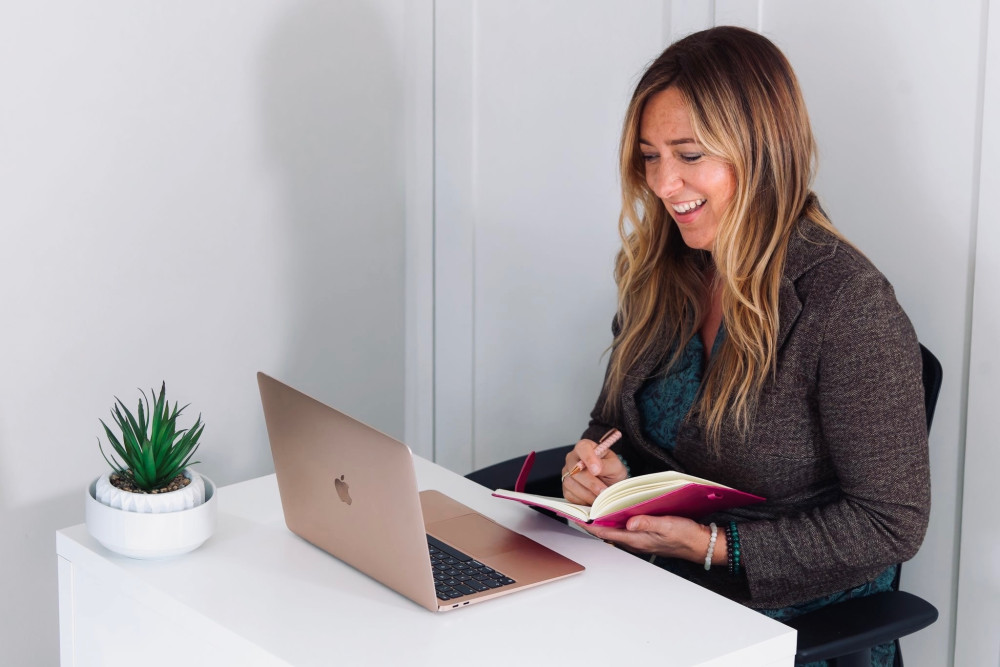

A Teddington-based mum, campaigner and tutor has published a handbook for raising children with additional needs.
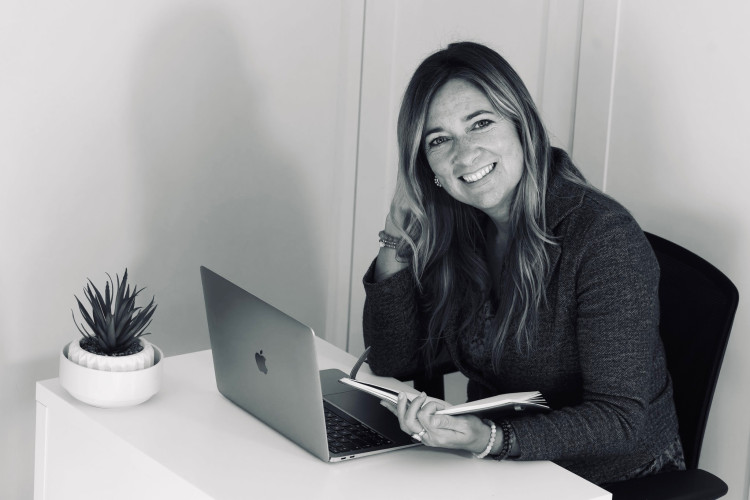
Natalie Hay, who has lived in Teddington for 20 years and raised her two children in the local area, previously taught at St Mary's and St Peter's primary schools in Teddington and is now the author of The Parent-Carer: a Survival and Advocacy Handbook for Raising Children with Additional Needs.
In an exclusive interview with Nub News, Hay said: "I have an education company called Open Door Education, which does dyslexia training in schools, and I did my dyslexia training at UCL a couple of years ago.
"I have tutors that work for me alongside me, and I tutor as well, and I do educational consultations now since my son was very ill with Lyme disease."
Hay explained that her son contracted Lyme disease after he was bitten by a tick in Richmond Park back in the summer of 2017 when he was just nine years old.
She said that it took a long time for her son to get a Lyme disease diagnosis and that it gave him special educational needs.
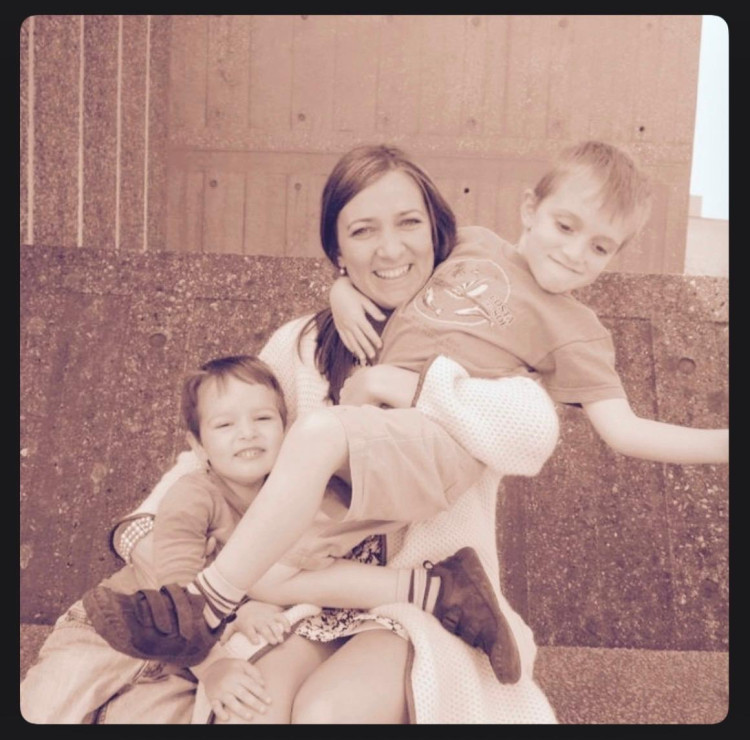
"So, I had to go to court to get his education support put in place," she said.
Download our Nub News App!
- It’s FREE and available now- Breaking news notifications
- Your Town in Your Pocket


Hay added: "It was quite stressful, but I now support parents to get Educational Health and Care Plans (EHCPs) as well through my educational consultation services.
"And that's basically why I ended up writing a book to help people that haven't got the money to pay for consultations and for parents that want to do campaigning as I did." Hay is known for doing the disability inclusion campaign that changed government policy while she was a carer.
While Hay's son has now fully recovered from his diagnosis, he was bed-bound for a year, house-bound for two years, and ill for six years.
Hay said: "It was horrific because his initial diagnosis was chronic fatigue ME, and I tried to continue working to begin with, but on a teacher's salary, it's very difficult to afford to pay for care.
"So, then I tried studying while also taking care of him, but I had the same problem, really, and he got worse.
"It didn't feel right not to even have anyone look after him. So, I gave up all my work and studies in Educational Psychology to become a full-time carer. It was just really distressing seeing him in pain.
"He was so tired. He had really bad headaches, general malaise, and joint problems, as well as feeling sick all the time.
"And he was really tired, crying every night, saying, 'I feel so tired, I feel so tired'. So, I had all the tests done, and the paediatrician at Kingston Hospital said he has post-viral chronic fatigue.

"And so we were referred to University College London Hospital (UCLH), but they couldn't really do anything. Like I said, there wasn't really a cure."
Hay explained that there was a lot of judgment around anxious mothers at the time - that they were not taking their kids out enough, as well as misconceptions around chronic fatigue.
She said: "It wasn't until I got a Lyme disease diagnosis privately in Germany in 2019 that we found Borrelia burgdoferia bacteria in his blood, which could only get there from a tick, and then he had treatment and started to get better.
"But it was a good 18 months of treatment."
Thus, Hay started doing Lyme disease awareness training through Caudal Lyme Co. charity to help people make sure that they wear protection and check for ticks.
"Because if you find a tick on you or a tick bite early, it's easy to treat," she said.
Hay added: "It's just 30 days of antibiotics. It's just that if it goes undiagnosed for years, the spirochetes from the Borrelia burgdoferia bacteria just multiply and affect your joints, affecting you neurologically."

While, as Hay explained that some people may never fully recover from Lyme disease, her son has recovered and is going to university in September and walks, runs, and plays sports.
She said: "So, we're really lucky, but I did have to give up work and go onto carer's allowance as well as getting free school meals for my children, but I had a really bad experience with that.
"And I realised that the government wasn't really supporting children on free school meals who are also chronically ill or have a disability. So, that's what instigated my campaign, and I'm so lucky now. Both my boys are thriving.
"But it was one of the most challenging times of my entire life, just seeing my child in pain, but not being able to do anything. It's just horrific."
Hay explained that initially, her son had flu-like symptoms, but explained that that is "a real telltale sign and I know that because the flu symptoms over the first summer did not go away".
She said: "And then the symptoms just continue, including general tiredness and headaches that slowly get worse and worse, but it affects people differently.
"Some people have a lot of anxiety. Some people have more joint pains, and others have heart palpitations. My son had dizziness and a lot of brain fog. He just found it harder and harder to concentrate at school."
It took the family two years to get a Lyme disease diagnosis, and, once diagnosed, Hay was forced to take her son to Ireland because the waiting list for treatment on the NHS was six months.
"It was really difficult to get help from the NHS," Hay said.
However, after years of treatment, including using the therapy pool in Teddington and physio, Hay's son "went completely back to normal life" in 2024.
Speaking about her book, Hay said: "So, I basically wrote the book that I wish I'd had eight years ago when I became a parent carer because I want parent caring to be in the dictionary.
"I'd already changed government policy, and people started doing that very quickly because I basically crowdfunded human rights lawyers to take the government to court.
"A charity initially helped me by supporting my campaign after I asked them a few times over a year and a half, and then they got me to speak to the Department for Education (DfE) and have a meeting with the government officials.
"But, they were like, 'Oh, I don't see your equality, diversity, inclusion (EDI) documents, and I don't know if it's important', but it's so important.
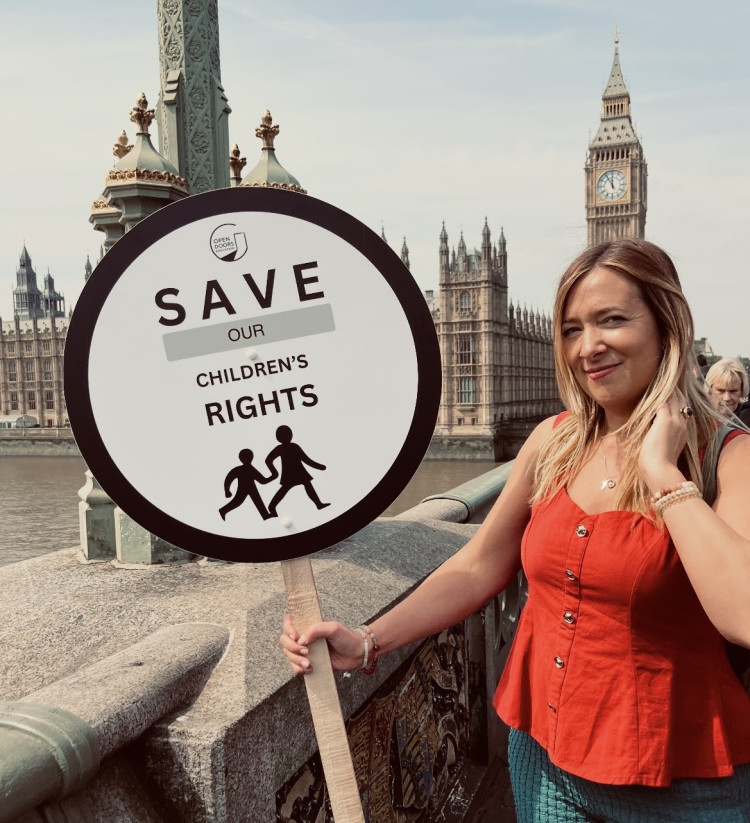
"So, basically, every time I went to court, I would talk about the Equality Act. So, with my book, I want to inform parents about human rights for children. Lots of people told me they had never heard of this, so that inspired my campaign."
She continued: "It's a very empowering book. It's a book which validates a lot of people.
"People often come back to me thanking me for the book, and it makes me feel heard and seen.
"The book includes a whole list of all the extra jobs you have to do as a parent carer. I have chapters on ADHD and dyslexia as a specialist teacher.
It's all very carefully linked to scientific research. I have a chapter on self-care, on getting grants and benefits and support, and what you're entitled to. I also have a chapter on campaigning, and on young carers, which I was, because siblings often get forgotten."
Hay's book also has a chapter on educating schools because, she said, "there's a real divide between parents and schools, with the schools feeling like their hands are tied because of budgeting."
She added: "And so I've got teacher stories in there too, so they can be more understanding. It basically just draws on the moral load of being a parent carer. It's a handbook. It's something that you can go to.
"And there's a flowchart about the EHCP process and checklists about how to write letters asking for things, as well as checklists for looking after yourself as a parent carer. It's kind of just everything."
Hay said that The Parent-Carer: a Survival and Advocacy Handbook for Raising Children with Additional Needs is just her first edition and that she is open to writing more books and having more contributors.

She said: "I just felt that I wanted to get this out and I wanted to get the word parent carer in the dictionary, because we have housewife in the dictionary. We also have nurse, stepfather, stepdaughter, but we don't have parent carers."
The Parent-Carer: a Survival and Advocacy Handbook for Raising Children with Additional Needs is available to purchase on Amazon now here.
Hay says that she hopes to start selling her book in independent book shops in the future, too.
You can find out more about Lyme disease on Lyme Disease UK's website here.
Additionally, Hay is inviting parent carers to join her Facebook forum here.
Download our Nub News App:
- It’s FREE and available now
- Breaking news notifications
- Your Town in Your Pocket

Share: