Study launched into microplastics pollution in the Thames at Teddington
By Tilly O'Brien 15th Jun 2026
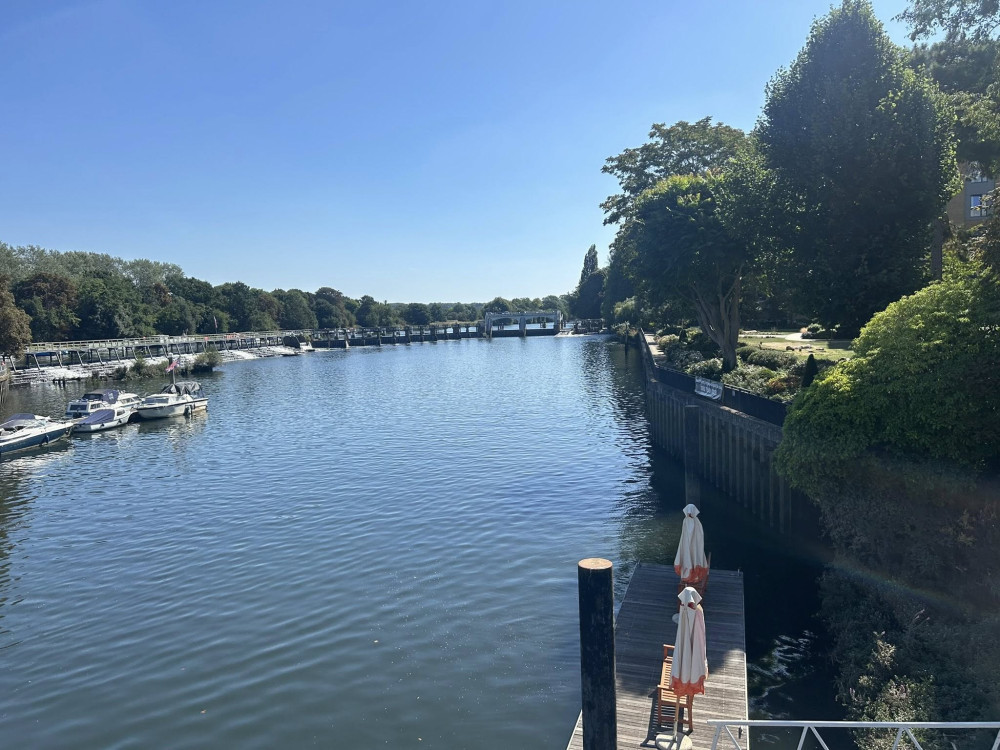


A new study into microplastic pollution in the River Thames at Teddington has been launched by researchers at the University of East London (UEL) in an attempt to influence environmental policy and water quality.
The project, led by Dr Ria Devereux from the university's sustainability research institute, will gather data from locations stretching from Teddington to Southend-on-Sea in Essex.
The samples will be assessed to see how pollution levels are changing and what impact climate pressures may be having on the river system.
Some of the highest levels of microplastics for any river in the world have previously been recorded from the Thames.
Dr Devereux told the BBC: "The River Thames is one of the most internationally recognised urban rivers in the world, yet we are still learning about the scale and complexity of microplastic pollution within it.
"This project is about providing robust scientific evidence that can support better environmental decision-making and help policymakers understand where interventions may be needed most."
The research should indicate whether pollution has gone up or down and if the water quality needs to improve.
Three litres of surface water will be collected from seven publicly accessible riverside locations along the Thames - Teddington, Westminster, St Katharine Docks, Limehouse, North Woolwich, Tilbury and Southend - before being filtered at a laboratory to capture tiny particles.
Download our Nub News App!
- It’s FREE and available now- Breaking news notifications
- Your Town in Your Pocket


The filters are then examined under a microscope, where researchers look for suspected microplastics and record their size, colour and shape.
Representative particles are then analysed using Fourier-transform infrared spectroscopy (FTIR), which allows the team to identify the material and confirm whether the particles are plastic and, if so, what type they are.
The work helps build a picture of microplastic pollution levels along the Thames and how they may change over time.
The study will also examine how storm activity and changing environmental conditions may influence microplastic levels across the river system.
Alongside scientific analysis, the project will produce policy briefings and bring together regulators, environmental organisations and policymakers through a dedicated stakeholder workshop hosted at UEL's Royal Docks Centre for Sustainability.
Download our Nub News App:
- It’s FREE and available now
- Breaking news notifications
- Your Town in Your Pocket

Share: